Sleep is the night’s quiet guardian, but for many girls with autism, that guardian can feel more like a stubborn mule. In this article we’ll explore why autism in girls sleep problems are often overlooked, what signs to look for, and practical steps to help the whole family catch some Z‑s. We’ll keep the tone professional, sprinkle in a touch of humor, and end with a hopeful outlook.
---
The Silent Sleep Struggle in Girls with Autism
What Makes Sleep Harder for Girls on the Spectrum
Imagine trying to fit a square peg into a round hole— that’s how many girls with autism feel when bedtime comes. Sensory sensitivities, heightened anxiety, and an overactive imagination can keep the mind racing well past the hour when the lights go out. Unlike boys, who may exhibit overt hyperactivity, girls often mask their discomfort, making the problem harder to spot.
Signs and Symptoms to Watch For
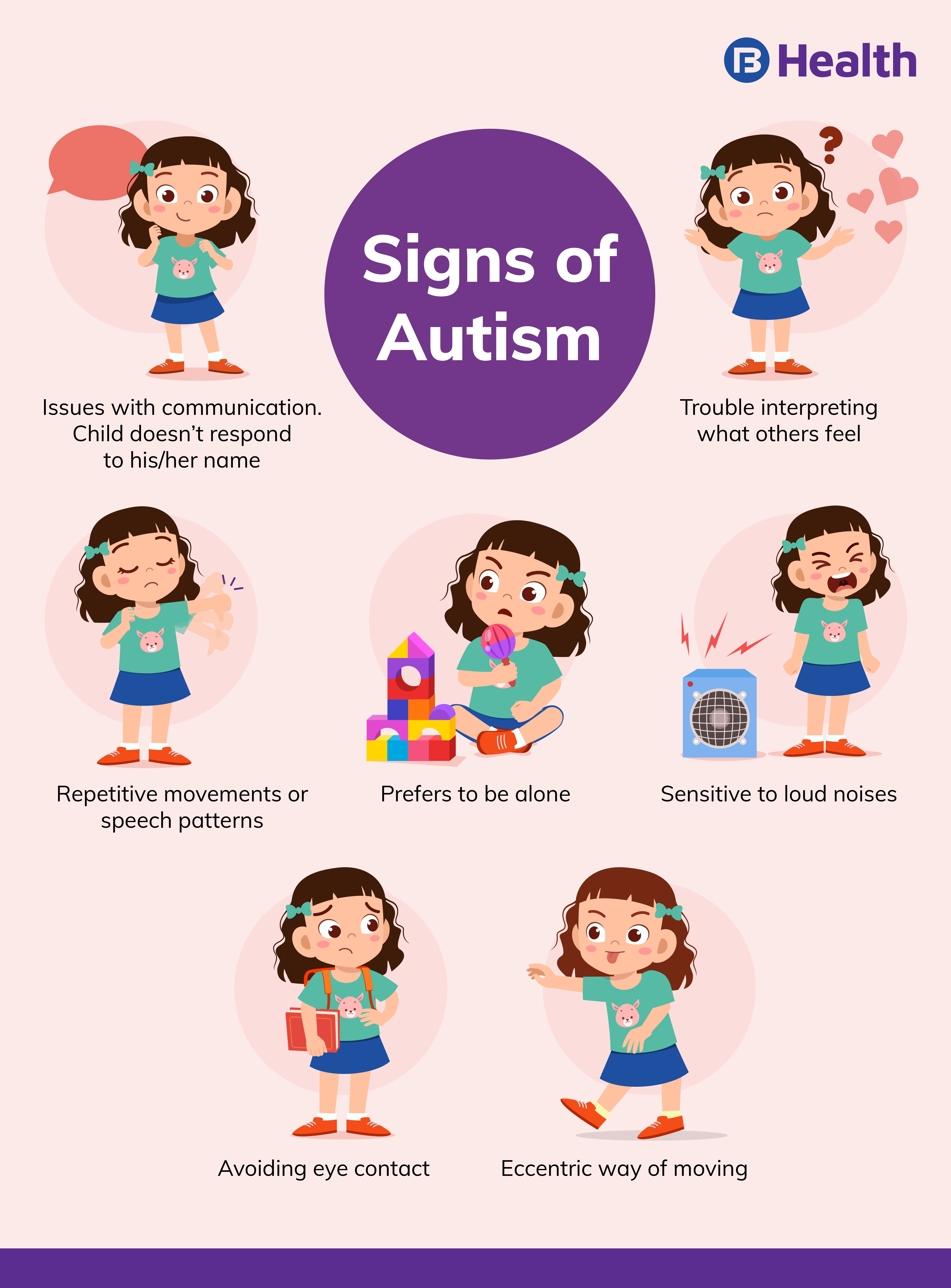
- Persistent difficulty falling asleep after a calm routine Frequent nighttime awakenings or restless tossing and turning Morning fatigue that interferes with school or daily activities Irritability or mood swings that seem unrelated to daytime events
If you notice these patterns, consider a sleep diary or consult a pediatric sleep specialist.

---
Why the Gender Gap? Biological and Social Factors
Hormonal Influences and the Brain’s Wiring
Research suggests that estrogen and progesterone play a role in regulating sleep architecture. In girls, hormonal fluctuations during puberty can exacerbate existing sleep issues. Additionally, the neural circuitry that processes sensory input often develops differently in girls on the spectrum, leading to heightened sensitivity to light, sound, and touch.
Social Expectations and Masking
Girls are socialized to be “quiet” and “well‑behaved.” Many learn to mask their struggles, presenting a calm exterior while internally battling sleeplessness. This masking can delay diagnosis and treatment, leaving sleep problems unchecked for years.
---
Practical Strategies to Improve Sleep Quality
Bedtime Routines That Work
A predictable routine is a lighthouse in the fog of insomnia. Try the following steps:
- Wind‑down window: 30‑45 minutes before bed, dim lights and reduce screen time. Comfort ritual: A favorite book, a gentle massage, or a warm bath. Consistent schedule: Even on weekends, aim for the same bedtime and wake time.
Environmental Tweaks
Small changes can create a sleep‑friendly sanctuary:
- Noise control: Earplugs or a white‑noise machine can drown out disruptive sounds. Light management: Blackout curtains or a dim night‑light help signal darkness. Temperature: Keep the room cool— around 65°F (18°C) is ideal for most sleepers.
Professional Support and Therapies
- Cognitive‑behavioral therapy for insomnia (CBT‑I) tailored to autistic individuals. Sensory integration therapy to reduce nighttime sensory overload. Medication review: Some medications can interfere with sleep; discuss alternatives with a pediatrician.
---
A Real‑Life Story: Maya’s Midnight Marathon
Maya’s Nighttime Routine
Maya, a 12‑year‑old with autism, used to stay up until 3 a.m. every night. Her parents noticed she’d become cranky in the morning, and her school grades began to slip. They began tracking her sleep patterns and discovered she was waking up every hour to check the clock, a classic sign of a fragmented sleep cycle.
Turning the Tide
After implementing a strict bedtime routine, dimming lights at 8 p.m., and adding a soft‑tone alarm that played her favorite lullaby, Maya’s sleep improved dramatically. Within a Perinatal complications month, she slept through the night and reported feeling “like a superhero who finally found her power source.” Additional reading Maya’s story reminds us that small, consistent changes can produce big results.
---
The Road Ahead: Research and Hope
Emerging Studies
Recent longitudinal studies are uncovering how sleep quality impacts cognitive development in autistic girls. Preliminary data suggest that improving sleep can enhance attention, memory, and emotional regulation— key areas where many girls struggle.
What Parents Can Do Today
- Educate yourself: Understanding the science behind sleep can empower you to advocate effectively. Create a sleep-friendly environment: Even a few adjustments can make a difference. Seek professional help early: Early intervention can prevent chronic sleep issues from taking root.
---
Turning Sleep Into a Sweet Spot
Sleep isn’t just a nightly routine; it’s the foundation for learning, mood, and overall health. When autism in girls sleep problems are addressed early and consistently, the benefits ripple across academic performance, social interactions, and family life. Remember: the journey to better sleep is a marathon, not a sprint. By staying patient, persistent, and proactive, you can help your child—and yourself—wake up refreshed and ready to tackle the day.
> “Sleep is the best meditation.” — Dalai Lama
Let that quote be a gentle reminder that restful nights are worth the effort. If you’re ready to make a change, start tonight by turning off the screen, dimming the lights, and letting your child’s imagination drift into dreamland. The next morning may just feel like a new beginning.