When a child’s language switches like a chameleon, parents often wonder whether this linguistic flexibility masks something deeper. Autism diagnosis for bilingual children can feel like navigating a maze with two maps. In this article, we’ll unpack why bilingualism matters, what early signs to watch, how assessments differ, and practical strategies to support your child. We’ll sprinkle in a light anecdote, a thoughtful quote, and a few rhetorical questions to keep the conversation engaging.
Why Bilingualism Matters
Bilingual children are a vibrant part of our global community, yet their linguistic journey can complicate autism detection. Language is a window into cognition, and when a child speaks two languages, that window opens on two sides. Researchers have found that bilingualism can either mask or mimic autism symptoms, leading to delayed or inaccurate diagnoses.
Cultural Nuances in Communication
- Non‑verbal cues may differ across cultures, affecting how parents and teachers interpret gestures. Code‑switching can be mistaken for atypical speech patterns. Family expectations about language use may influence how symptoms are reported.
The Double‑Edged Sword of Language Development
Bilingualism can accelerate certain executive functions, such as task switching and inhibition control. These strengths might conceal difficulties in social reciprocity or sensory processing—core autism traits. Thus, a bilingual child might appear “normal” in one language but exhibit challenges in another, creating a confusing picture for clinicians.
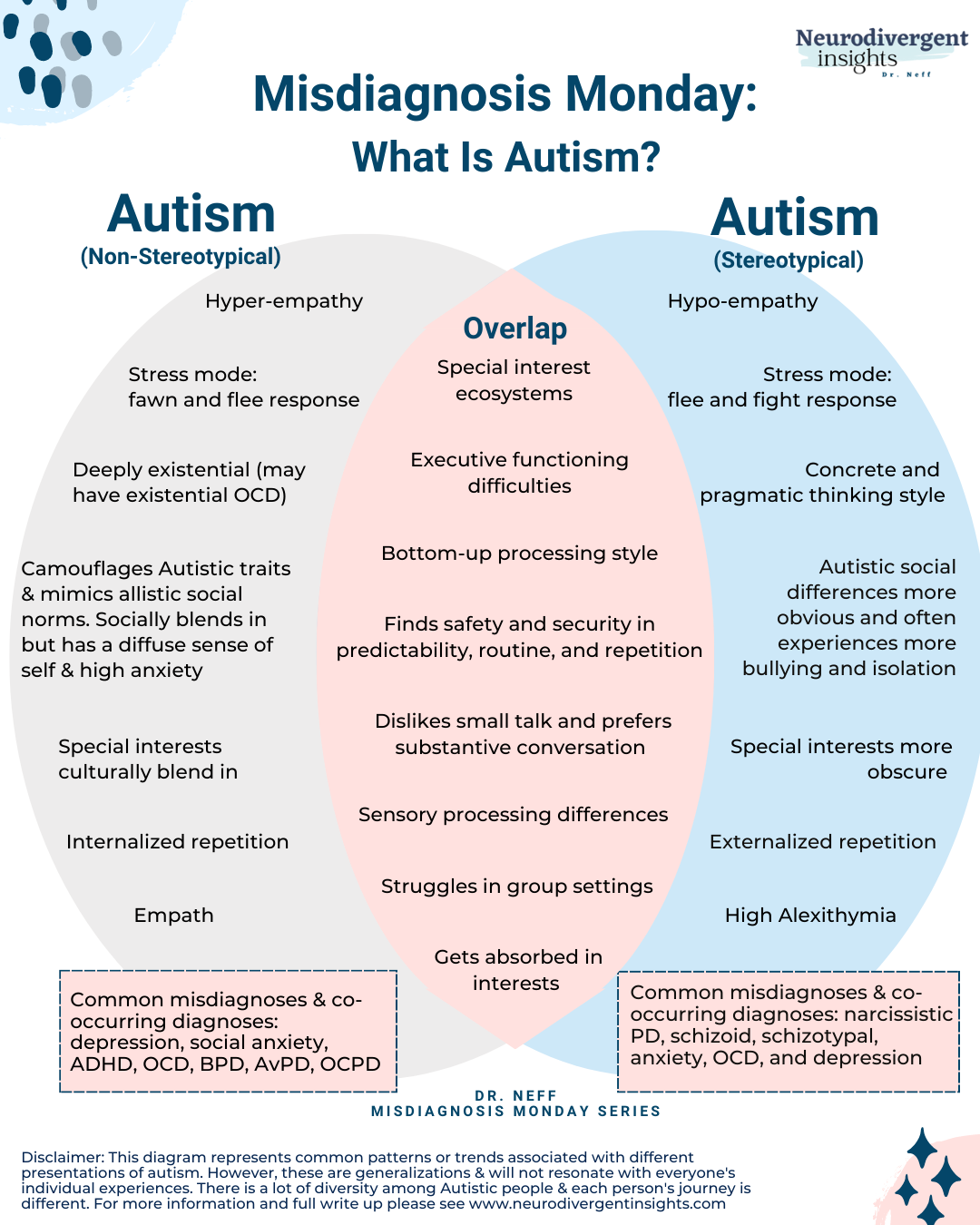
Early Signs to Watch
Recognizing autism early is like spotting a subtle rust before it turns into a structural flaw. For bilingual children, the rust may appear in different languages, so a broad perspective is essential.

Social Interaction Patterns
- Limited eye contact in one language but not the other. Reduced response to name when called in a language the child is less fluent in. Difficulty sharing interests across cultural contexts.
Repetitive Behaviors and Sensory Sensitivities
- Repetitive play that differs between languages—e.g., a child might repeat a phrase in Spanish but not in English. Sensory overload triggered by language noise or unfamiliar accents.
Anecdote
Maria, a mother of a 4‑year‑old bilingual boy, noticed that he would sit silently while watching cartoons in Spanish but would actively participate when the same show was dubbed in English. “It felt like he had two personalities,” she laughed, but also worried. Her observation led to a timely evaluation that revealed an autism spectrum diagnosis. Maria’s story illustrates how bilingual cues can be both a puzzle and a compass.
Assessment Challenges
Diagnosing autism in bilingual children is not just about translating a questionnaire; it’s about understanding the child’s entire linguistic ecosystem.
Standardized Tests and Language Bias
Most diagnostic tools are normed on monolingual populations. When applied to bilingual children, scores may reflect language proficiency rather than autism symptoms. Clinicians must adjust expectations and consider:
- Language‑matched assessments that account for proficiency levels. Parent and teacher reports in both languages to triangulate behavior.
The “Two‑Language Paradox”
A child may display typical social skills in one language but struggle in another, creating a paradox that confuses both parents and professionals. This phenomenon can lead to under‑diagnosis or over‑diagnosis.
Quote
“Every child is a unique story,” says Dr. Elena Morales, a developmental psychologist. “When we read that story in two languages, we need to listen to both chapters to understand the plot.”
Strategies for Parents
Once a diagnosis is confirmed, the next chapter involves practical steps to support your child’s growth. Think of it as building a bridge that spans both languages and developmental needs.
Create Consistent Routines Across Languages
- Morning rituals: Use the same phrases in both languages to reinforce routine. Storytime: Alternate books in each language to maintain engagement.
Leverage Strengths in Executive Function
- Task switching: Encourage games that require switching between languages, strengthening cognitive flexibility. Inhibition control: Use “quiet time” activities in both languages to practice self‑regulation.
Build a Multilingual Support Team
- Speech‑language pathologists fluent in both languages. Bilingual teachers who can observe behavior in the classroom setting. Support groups for bilingual families navigating autism.
Rhetorical Question
Have you ever wondered how your child’s bilingual background can become a superpower rather autism signs in children than a hurdle? By embracing both linguistic worlds, you can unlock new avenues for communication and learning.
Moving Forward
The journey after diagnosis is not a straight line; it’s more like a winding river that bends and twists. With the right tools and mindset, parents can help bilingual children thrive.
Continuous Monitoring and Flexibility
- Regular check‑ins with clinicians to adjust interventions. Adaptation of strategies as the child’s language proficiency evolves.
Celebrate Cultural Identity
Encourage participation in cultural events, festivals, and community gatherings. These activities reinforce identity and provide natural contexts for social interaction.
Call to Action
If you suspect your bilingual child may need an evaluation, reach out to a qualified professional who understands the nuances of bilingual development. Early intervention is the key that unlocks potential.
The Final Word
Bilingualism enriches a child’s world, but it also adds layers to the autism diagnostic process. By staying informed, vigilant, and supportive, parents can help their children navigate this complex landscape with confidence and compassion.